


Learn what makes game outcomes random, how RNG works, and why results feel unpredictable. Clear examples to help you understand game fairness.
You’ve likely had moments where a game felt off.
You play the same way, yet the results change every time. One day you win. The next day, nothing works.
That’s not bad luck. That’s randomness doing its job.
In many discussions, you’ll see terms like toto togel (lottery betting system) mentioned.
But whether it’s lottery-style games or digital systems, randomness is what shapes every outcome behind the scenes.
Once you understand what makes game outcomes random, you stop guessing and start seeing how things really work.
What Makes Game Outcomes Random
Random means no fixed pattern.
It doesn’t mean chaos. It means results are:
- Unpredictable in the short term
- Balanced over the long term
Quick example:
- Flip a coin 10 times
- You might get 7 heads, 3 tails
That feels strange, right?
But if you flip it 1,000 times, it gets closer to 50-50.
Khan Academy explains this idea clearly, showing that randomness still follows probability over time.
The Core of What Makes Game Outcomes Random
To really get this, you need to know what sits behind most modern games.
- Random Number Generators (RNG)
Most digital games rely on RNG.
An RNG is a system that:
- Produces numbers with no predictable order
- Runs continuously, even when you’re not playing
- Decides outcomes in milliseconds
According to MIT, these systems are designed to remove patterns so results stay fair and unbiased.
What this means for you:
- You cannot time or predict outcomes
- Each result is independent
Even in systems like situs toto (online lottery platform), RNG or similar probability models are used to ensure fairness.
What Makes Game Outcomes Random in Physical Games
Randomness isn’t just digital. It’s everywhere.
Think about:
- Dice rolls
- Shuffled cards
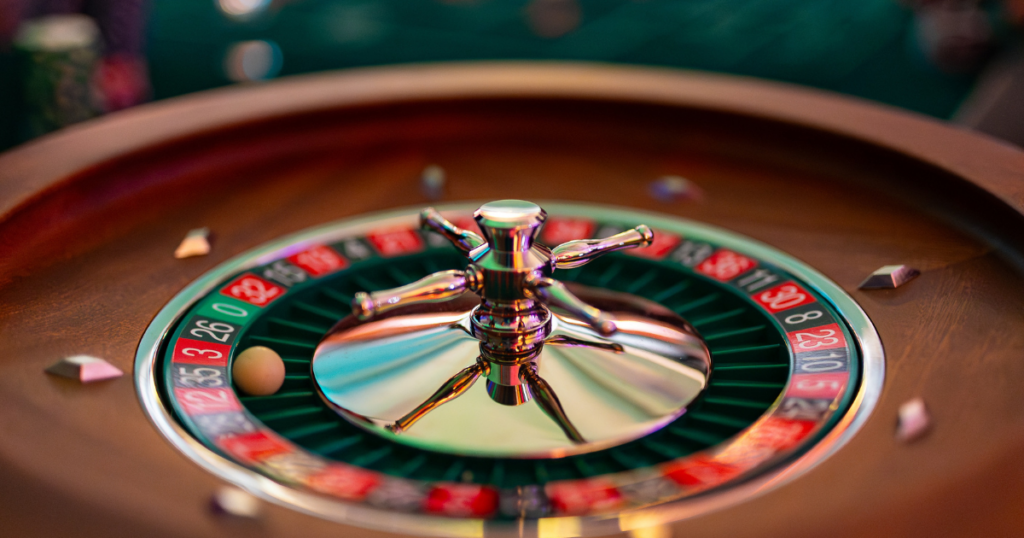
- Roulette wheels
Each one uses physical randomness.
Why they are random:
- Tiny changes affect results
- Human actions introduce variation
- No two moves are exactly the same
For example, the way you shuffle cards today will never be repeated exactly again.
What Makes Game Outcomes Random vs Predictable Systems
This is where many people get confused.
Random systems:
- No consistent pattern
- Each event stands alone
- Results vary every time
Predictable systems:
- Follow fixed rules
- Produce the same result under the same conditions
Simple comparison:
| Situation | Type |
| Rolling a die | Random |
| Solving 2 + 2 | Predictable |
Games are built to stay on the random side, even if they feel structured.
Why Random Results Still Follow Patterns Over Time
This part surprises most people.
Random doesn’t mean “anything goes forever.”
Over time, results begin to balance out.
This is due to the Law of Large Numbers.
What it means:
- The more you play
- The closer results match expected odds
Example:
If a game gives you a 20% win chance:
- In 10 tries → results can be all over the place
- In 1,000 tries → results move closer to 20%
So yes, randomness has structure, but only over time.
What Makes Game Outcomes Random in Online Games
Online games take randomness a step further.
They use:
- Algorithms to generate outcomes
- Seed values to start random sequences
- Continuous cycles that never stop
This ensures:
- No player gets special treatment
- Outcomes remain independent
Even systems tied to terms like bandar slot gacor (high-performing slot platform) still rely on probability and RNG.
The idea of “hot streaks” often comes from short-term results, not actual patterns.
Common Myths About What Makes Game Outcomes Random
Let’s clear up some things you may have heard.
1. “The game is due to pay out”
This is false.
- Random systems don’t track past results
- Each round starts fresh
This mistake is known as the gambler’s fallacy, widely discussed by Harvard University.
2. “You can find hidden patterns”
People try to track results and predict outcomes.
But:
- Random systems don’t follow repeatable patterns
- What you see is often coincidence
3. “Some times are luckier than others”
There’s no proven timing advantage in random systems.
- RNG runs constantly
- Outcomes don’t wait for “perfect timing”
Key Factors That Influence Randomness

When you understand these, you get a clearer picture of what makes game outcomes random.
Independence
Each event stands alone.
- Previous results don’t affect future ones
Probability Distribution
Every outcome has a defined chance.
- Some outcomes are rare
- Some happen more often
Variance
This explains why results feel uneven.
- You might lose many times before a win
- Or win quickly and then lose
System Design
Games are carefully built.
According to the Nevada Gaming Control Board, regulated games must meet fairness standards and use tested random systems.
How Randomness Feels From a Player’s Side
Let’s be honest.
Randomness doesn’t always feel fair.
You might experience:
- Winning early and losing later
- Long losing streaks
- Unexpected wins
Why it feels this way:
Your brain looks for patterns.
It tries to make sense of outcomes, even when none exist.
That’s why randomness can feel personal, even though it’s not.
A Real-Life Way to Understand Randomness
Think about traffic lights.
You may hit:
- Green lights 5 times in a row
- Then suddenly all red
Did the system target you? No.
It’s just timing and chance working together.
Games behave the same way.
How You Can Think Smarter About Random Outcomes
If you understand what makes game outcomes random, you make better decisions.
Here’s what helps:
- Focus on probability, not feelings
- Avoid chasing losses
- Accept short-term unpredictability
- Think in large numbers, not small sessions
Why This Knowledge Matters
When you don’t understand randomness, you:
- Overestimate your control
- Misread patterns
- Make poor decisions
But when you do understand it:
- You stay realistic
- You manage expectations
- You avoid common traps
That’s how experienced players approach games.
What Makes Game Outcomes Random – Final Insight
Randomness is not the absence of order.
It’s a system where:
- Outcomes are unpredictable now
- But structured over time
That balance is what keeps games fair and engaging.
Conclusion
Understanding what makes game outcomes random changes how you see every result.
You stop chasing patterns that aren’t real.
You start focusing on how systems actually work.
And that alone puts you ahead of most players who still rely on guesswork instead of facts.


