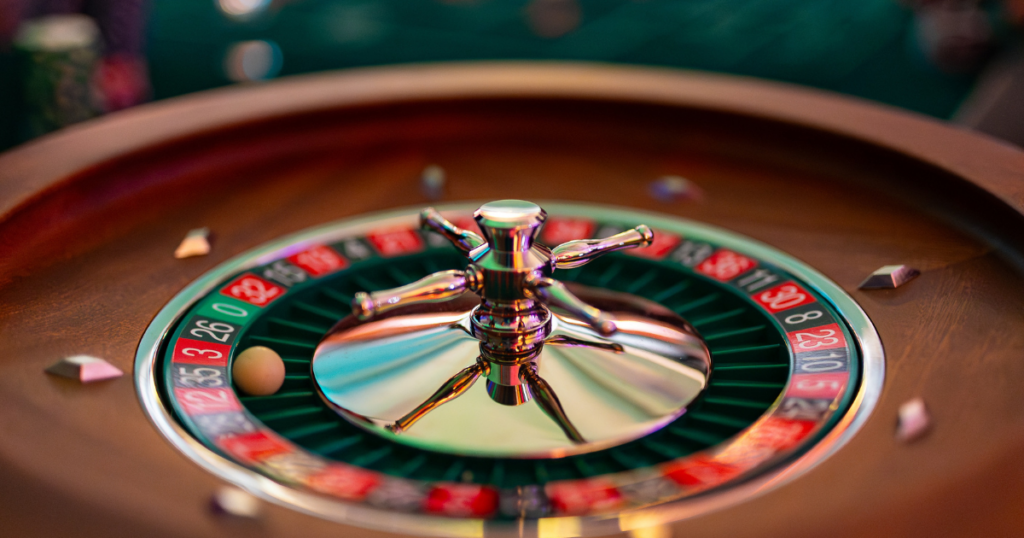
How game design keeps players engaged using rewards, timing, and psychology. Learn what keeps you playing and how to stay in control.
Have you ever said, “Just one more round,” and then an hour passes? That’s not by accident. It’s the result of careful design.
When you understand how game design keeps players engaged, you start to notice patterns.
These patterns show up in many places, from casual mobile apps to platforms like situs toto (lottery sites) and slot-style games.
In some cases, systems tied to oma cuan (profit-focused play) are built in a way that keeps you checking back often, even when you don’t plan to.
The key idea is simple:
Game designers study behavior and build experiences that keep you coming back.
How Game Design Keeps Players Engaged Through Rewards
Rewards are one of the strongest tools in game design.
You play, and you get something back. It could be:
- Points
- Coins
- Unlocks
- Progress
Even small rewards matter.
According to the American Psychological Association, reward systems trigger dopamine, which makes you feel good and want to repeat the action.
Why this works:
- You connect effort with outcome
- You feel progress
- You want to continue
This is a core part of how game design keeps players engaged.
How Game Design Keeps Players Engaged With Variable Rewards
Not all rewards are predictable.
Sometimes you win. Sometimes you don’t.
This is called a variable reward system.
You’ll see this in:
- slot online (online slot games)
- Random loot drops
- Mystery rewards
What makes this powerful:
- You don’t know when the reward will come
- The surprise increases excitement
- You keep trying “just one more time”
Research from Stanford University shows that unpredictable rewards can be more engaging than fixed ones.
That’s why variable rewards are a big part of how game design keeps players engaged.
How Game Design Keeps Players Engaged With Progress Systems
People like to feel they are moving forward.
Games use progress systems like:
- Levels
- Badges
- Unlockable features
Even if the reward has no real-world value, it still feels meaningful.
You’ll notice this in systems connected to toto slot (slot-based games), where progress bars or bonus rounds give a sense of movement.
Why progress matters:
- It gives you a goal
- It shows improvement
- It keeps you invested
This steady movement is another way works in practice.
How Game Design Keeps Players Engaged With Time-Based Triggers

Timing plays a huge role.
Games often use:
- Daily rewards
- Limited-time offers
- Countdown timers
These create urgency.
You feel like:
- “I shouldn’t miss this”
- “Let me log in quickly”
The Nir Eyal explains in his work that triggers and timing are key parts of habit-forming products.
What this means for you:
- You return regularly
- You build routines
- You feel attached to the game
This is another layer of how game design keeps players engaged.
How Game Design Keeps Players Engaged With Near Wins
Near wins are very powerful.
Example:
- You almost hit the jackpot
- You miss by one symbol
Even though you lost, it feels close.
Research from the University of Cambridge shows that near-miss outcomes can increase motivation to continue playing.
Why near wins work:
- They create hope
- They feel like progress
- They push you to try again
This is a subtle but strong part of how game design keeps players engaged.
How Game Design Keeps Players Engaged With Simplicity
Simple games attract more people.
You don’t need instructions or skill.
For example:
- Tap to spin
- Pick numbers
- Click to play
This is common in systems like situs toto slot (lottery-slot platforms), where the barrier to entry is very low.
Why simplicity matters:
- Anyone can start quickly
- No learning curve
- Less frustration
When a game is easy to play, it becomes easier to repeat. That’s a key part of how game design keeps players engaged.
How Game Design Keeps Players Engaged With Social Elements
People enjoy sharing experiences.
Games often include:
- Leaderboards
- Friend challenges
- Shared results
This turns a solo activity into a group experience.
Even platforms like situs toto (lottery sites) benefit from this when users share outcomes or discuss results.
What this creates:
- Competition
- Community
- More time spent playing
Social interaction strengthens how game design keeps players engaged.
How Game Design Keeps Players Engaged With Visual and Sound Effects
Let’s talk about what you see and hear.
- Bright colors
- Flashing lights
- Winning sounds
These are not random.
They are designed to:
- Grab your attention
- Celebrate wins
- Make the experience feel exciting
MIT has explored how sensory feedback can influence behavior and attention.
What happens:
- Wins feel bigger
- Losses feel softer
- You stay focused longer
This sensory design plays a big role in how game design keeps players engaged.
How Game Design Keeps Players Engaged With Small Commitments
Games often start with small actions.
- One spin
- One click
- One quick session
But those small actions add up.
This is known as the commitment effect.
Why it works:
- Small steps feel easy
- You don’t feel pressure
- You continue longer than planned
This pattern appears across many systems, including omacuan (earning-focused platforms), where repeated small actions build habits.
How Game Design Keeps Players Engaged – The Role of Emotion

Emotion drives behavior.
Games trigger:
- Excitement
- Hope
- Frustration
- Relief
These emotions create a strong connection.
The Mayo Clinic explains that emotional experiences can influence repeated behavior and habits.
Why this matters:
- You remember how the game made you feel
- You return to recreate that feeling
- You stay longer than planned
Emotion is at the center of how game design keeps players engaged.
Smart Awareness – Staying in Control
Understanding these systems helps you make better choices.
Here’s what you can do:
- Set time limits before playing
- Decide your budget early
- Take breaks regularly
- Avoid chasing losses
A simple rule:
If a game keeps pulling you back, it’s doing its job. You need to stay aware of yours.
Key Takeaways You Should Remember
- Rewards create motivation
- Variable outcomes increase excitement
- Progress systems build attachment
- Timing creates urgency
- Near wins push continued play
- Simplicity lowers barriers
- Social features increase engagement
- Emotions drive repeated behavior
Each of these explains how game design keeps players engaged at a deeper level.
Conclusion
When you understand how game design keeps players engaged, you start to see the structure behind the experience.
It’s not random. It’s built with purpose.
You can still enjoy games, but now you know what is happening in the background.
That awareness helps you stay in control, make smarter choices, and avoid getting pulled in longer than you planned.